

A full body harness is an essential personal protective equipment (PPE) component used to protect workers from serious injuries during work at height. Whether working on construction sites, towers, rooftops, industrial structures or maintenance projects, understanding what a full body harness is and how to use it correctly is important for workplace safety.
What Is a Full Body Harness in Safety?
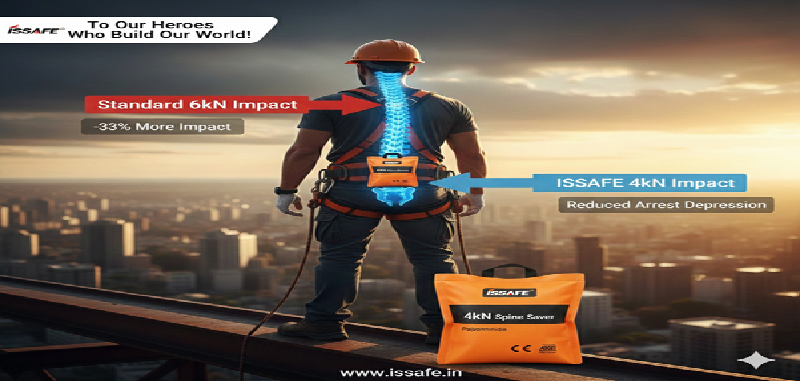
A full body harness is a safety device designed to distribute fall arrest forces across appropriate parts of the body, including the thighs, pelvis, chest and shoulders. Unlike traditional waist belts, a full body safety harness provides support through interconnected straps and attachment points.
One important feature of a full body harness is its dorsal attachment point, generally located on the upper back, which is commonly used for connecting a fall arrest lanyard or compatible fall protection system.
How Many Types of Full Body Harness Are There?
Full body harnesses are available in different configurations depending on the application and working requirements. Common types include:
- Fall Arrest Harness: Designed for use with compatible fall arrest systems to protect workers from falls.
- Work Positioning Harness: Used with positioning systems to support workers while working hands-free.
- Tower Climbing Harness: Suitable for specific tower climbing applications with appropriate attachment configurations.
- Confined Space Harness: Designed with suitable attachment points for compatible rescue and retrieval equipment.
- Controlled Descent Harness: Configured for applications involving controlled descent systems.
Some harnesses combine multiple functions, allowing them to be used for different applications when specifically designed and approved for those purposes.
How to Use a Full Body Harness Correctly
Using a full body harness correctly involves proper fitting, inspection and connection to a compatible fall protection system. Follow these important steps:
- Inspect the harness, webbing, stitching, buckles and attachment points before every use.
- Put on the harness according to the manufacturer’s instructions.
- Adjust the shoulder straps, waist belt and leg straps to achieve a secure and comfortable fit.
- Ensure buckles are correctly fastened and straps are not twisted.
- Connect the harness to a compatible lanyard or fall arrest system using the designated attachment point.
- Verify anchorage suitability, system compatibility and clearance requirements before starting work.
When Should Wear a Full Body Harness?
A full body harness should be worn whenever required by the risk assessment, applicable safety regulations or workplace fall protection procedures. It is commonly used during construction, roof maintenance, tower climbing, industrial maintenance and other activities where workers may be exposed to fall hazards.
A harness must be part of a properly designed fall protection system. Wearing a harness alone does not prevent a fall or guarantee protection from injury.
What Must You Do Before Putting on a Full Body Harness or Lanyard?
Before putting on a full body harness or lanyard, inspect the equipment for damage, wear, missing components or signs of deterioration. Check its identification labels, certification information and service condition. Equipment that has been involved in a fall or is damaged must be removed from service according to the manufacturer’s instructions.
What Is the Capacity of a Full Body Harness?
The capacity of a full body harness refers to its permitted user weight range, including clothing, tools and carried equipment. Capacity varies by manufacturer and model. Always verify the maximum permitted weight and compatibility with the complete fall protection system before use.
Choose the Right Full Body Safety Harness
Selecting the appropriate full body harness is essential for comfort, mobility and effective fall protection. Consider the working application, attachment requirements, adjustability, certification and equipment compatibility before purchasing.
Explore ISSAFE Safety Full Body Harnesses to find suitable safety harness solutions for construction, industrial maintenance, tower climbing and working at heights.
ISSAFE Safety – Your Safety Partner.